July 20, 2019
Digital citizenship starts with safety - but it doesn’t end there.
Learning to defend against online risks and dangers is critical for today's students. But new research argues that, to thrive in a digital world, young people also need the skills to build positive digital assets - and curate an online presence to be proud of.
It’s common to teach students to minimise their “digital footprint” - the data trail we all leave online including website and messaging history and info submitted to online services. But if managed well, digital footprints can be an asset, say the researchers behind the NSW-based Best Footprint Forward project.
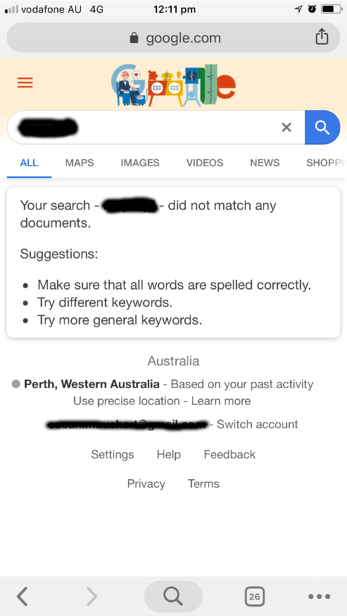
Consider the reaction of a potential employer who Googles a prospective employee - and comes up dry. No trace whatsoever. In today’s world, that would be as much of a red flag as a history of drunken social media posts.
Measuring cyber safety awareness
The Best Footprint Forward researchers talked to focus groups of children aged 10-12 from regional NSW.
It found that communicating with friends was the most popular online activity in this age group, beating out homework - okay, not surprisingly - gaming and even watching videos.
The children knew what digital footprints were. They knew what you put online stays online. They knew others could find them if they left identifying details, like their full name or address. And they knew employers would check their social media.
The students in the study were also aware of password security, online privacy, blocking harassers, talking to parents and not posting pictures of their faces. Most had Instagram accounts set to private, which were used solely for messaging.
That high level of cyber-safety awareness impressed the researchers. But it also led them to consider that more emphasis should be placed on teaching kids to curate their online presence - basically to know what to display publicly and what should remain private.
“Teaching children to curate their achievements, skills and some aspects of their digital identity would help prepare them for the greater online freedom that will come with high school,” notes Rachel Buchanan, senior lecturer in education at the University of Newcastle.
Teaching children about cyber safety is essential. But so too is learning about cyber benefits - and how those benefits can be managed to enhance life in the digital age.
Topics: Cyber Safety, Cyber Experts, digital citizenship, smartphone
Schools often ask us what a full cyber safety day actually looks like. The truth is, there’s no single template. Every school has its own ...
We use cookies and similar technologies to make our website work, to understand how it is used, and, with your permission, to personalise content and show you relevant advertising on other platforms. Some of these technologies are provided by our partners. Essential cookies are always on, because the site cannot function without them. Everything else stays off until you choose to turn it on. You can accept all, reject all non-essential cookies, or set your own preferences, and you can change your choice at any time. For more detail, see our Cookie Policy and Privacy Notice.
In the US? You also have the right to opt out of the sale or sharing of your personal information and to limit the use of your sensitive personal information. Manage these under "Your US privacy choices".
While some cookies are necessary to make our website and services function properly, consent for all non-essential cookies has been automatically declined. You can change your preferences at any time. To find out more about the cookies we use, see our Cookie Policy and Privacy Notice.
Choose which cookies and technologies you are comfortable with. Essential cookies keep the site secure and working, so they are always on. You can switch the other categories on or off, then save your choices. You can return here at any time to change them. See our full list of cookies.
These cookies and technologies are needed for the site to work safely and reliably. They support core functions such as security, network management, bot and fraud protection, and remembering your privacy choices. The site cannot run without them, so they cannot be switched off.
Providers: Cloudflare, HubSpot
We use a set of cookies that are optional for the website to function. They are usually only set in response to information provided to the website to personalize and optimize your experience as well as remember your chat history.
Providers: HubSpot
These help us understand how visitors find and use our website, including which pages are viewed and how people navigate and interact with them, so we can improve it. Some of this involves recording how pages are used. We do not use this information to advertise to you.
Providers: Google, Hotjar, HubSpot, Microsoft.
These let us measure how our campaigns perform and show you relevant advertising on third-party platforms, such as search engines and social media. They involve sharing limited information with advertising partners, who may combine it with data they already hold. For US visitors, turning this category on allows the "sale" and "sharing" of personal information for cross-context behavioral advertising, as those terms are defined under US state privacy laws.
Providers: Google, HubSpot, LinkedIn, Microsoft, Reddit.
If you are a resident of a US state with a comprehensive privacy law (such as California, Colorado, Connecticut, Texas, Virginia and others), you have additional rights over how your personal information is used. You can exercise the choices below without affecting your access to our website.
When our advertising and marketing technologies are active, we may sell or share your personal information for cross-context behavioral advertising. To opt out, switch off the Advertising and Marketing category above, or use the toggle here.
Where we process sensitive personal information, such as precise geolocation, you can ask us to limit its use to what is necessary to provide our services and other purposes permitted by law.
We recognize browser-based opt-out preference signals. If your browser or device sends a Global Privacy Control signal, we will treat it as a valid request to opt out of the sale and sharing of your personal information for that browser or device.
We do not knowingly sell or share the personal information of consumers under 16, and we do not use it for targeted advertising, without the consent required by law. We do not knowingly collect personal information from children under 13 without verifiable parental consent.
Changed your mind?
You can withdraw or update your consent at any time using the "Cookie settings" link in our website footer.